
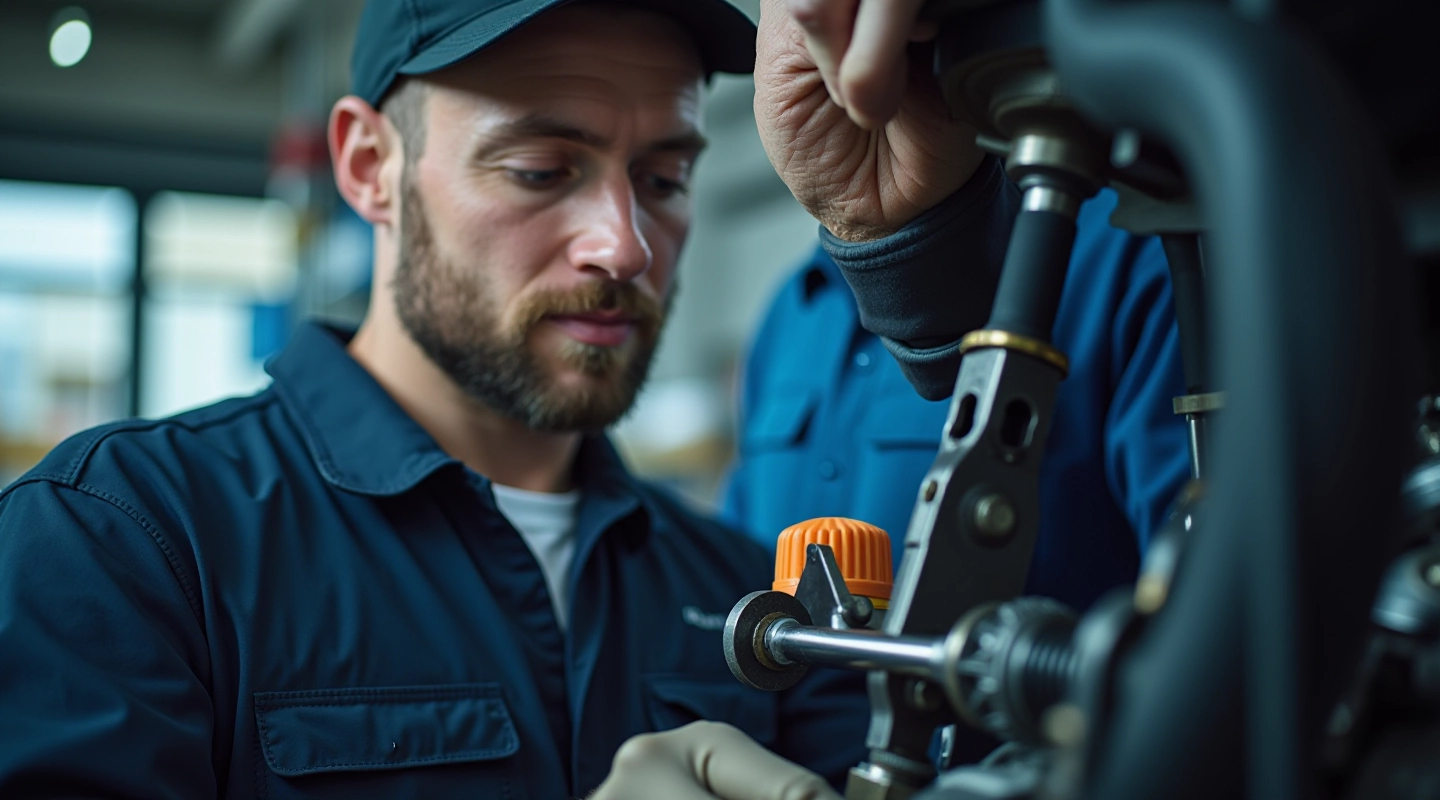
Signs Your Power Steering Pump Needs Attention
Learn the warning signs that indicate your power steering pump is failing. Whining noises, fluid leaks, and stiff steering are all red flags.
Understanding when your power steering pump seals need attention can save you from costly repairs down the road. We'll walk you through the warning signs, what happens during replacement, and how to prevent early seal failure.
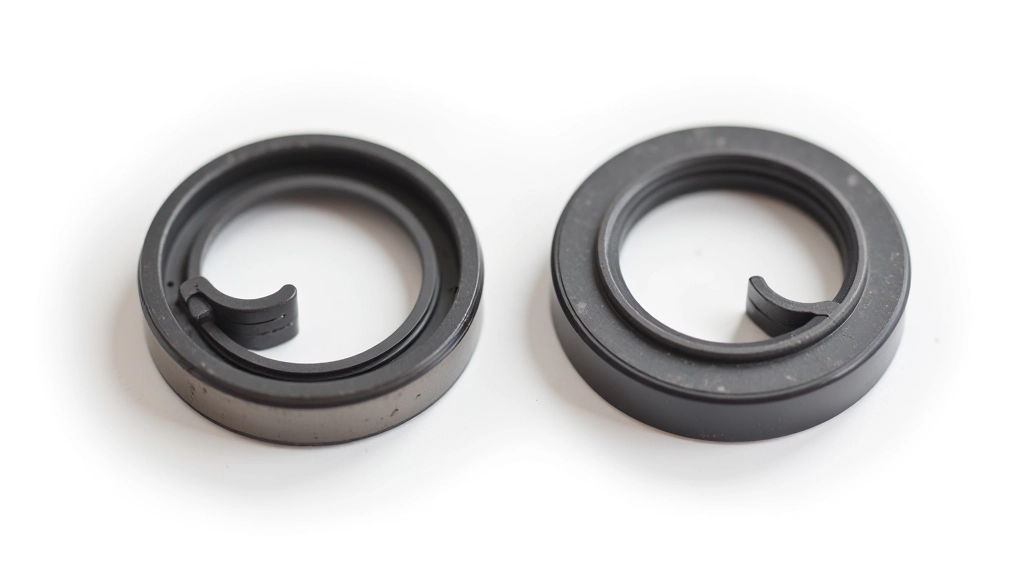
Your power steering pump isn't just a single component — it's a complex system where multiple seals work together to keep pressurized fluid where it belongs. These seals prevent leaks and maintain the hydraulic pressure needed to make steering smooth and responsive. Think of them as the gatekeepers of your steering system. When they fail, pressure drops, fluid escapes, and you're left fighting with a stiff steering wheel.
The pump shaft seal (also called the main seal) gets the most attention because it's the most vulnerable. It's constantly spinning, experiencing temperature changes, and dealing with fluid that degrades over time. Most seals are made from materials like Viton or nitrile rubber, which are durable but not permanent. They've got a lifespan, and when that lifespan is up, replacement becomes necessary — not optional.
Seal failure doesn't happen overnight. Your car usually gives you clear signals that something's wrong. Catching these early means you can schedule maintenance before complete failure leaves you stranded.
This is the most obvious sign. You'll notice red or pink fluid pooling under your vehicle, usually concentrated near the pump area. The fluid doesn't just disappear — it's actively leaking out, which means pressure is dropping and your pump is working overtime to compensate.
Without adequate fluid pressure, the power assist can't function properly. You'll feel the steering become noticeably harder, especially at low speeds or when parking. It's not a gradual thing — it gets noticeably worse over days or weeks.
When the pump is running low on fluid because of a seal leak, it starts pulling air into the system. This causes that high-pitched whining sound you hear, especially when turning the wheel. The noise is your pump essentially gasping for fluid.
Check your reservoir regularly. If the level is dropping faster than normal (more than a quarter inch per week), you've definitely got a seal issue. A small leak that you can't see from under the car can still drain your system pretty quickly.

Author
Editorial Team
Written by the novaovex editorial team, focused on clear, practical guidance for power steering pump care and repair.
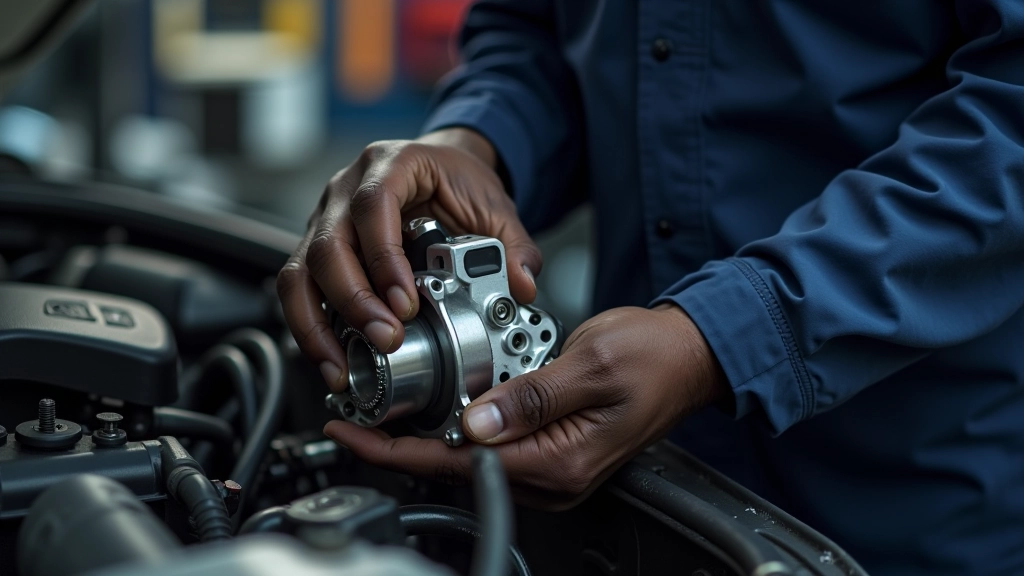
Replacing power steering pump seals isn't something you'll do yourself unless you're seriously experienced with pump rebuilds. It's precision work that requires the right tools and knowledge. Here's what actually happens when you take your car to a shop.
The technician disconnects the fluid lines (and collects what's left), unbolt the pump from the engine, and removes the serpentine belt. It's straightforward but requires careful handling to avoid bending any lines.
The pump is taken apart carefully. The shaft seal, bearing seals, and any worn gaskets are removed. Everything gets cleaned thoroughly to prevent contamination when the new seals go in.
New seals are pressed in carefully using proper tools. It's not something you just force in — there's a specific technique to ensure they seat correctly without damage. This is where precision matters most.
The pump goes back together, gets reinstalled on the engine, new fluid is added, and the system is bled to remove air pockets. The technician then test-drives to confirm everything's working properly.
Explore more about power steering maintenance and repair
Learn the warning signs that indicate your power steering pump is failing. Whining noises, fluid leaks, and stiff steering are all red flags.
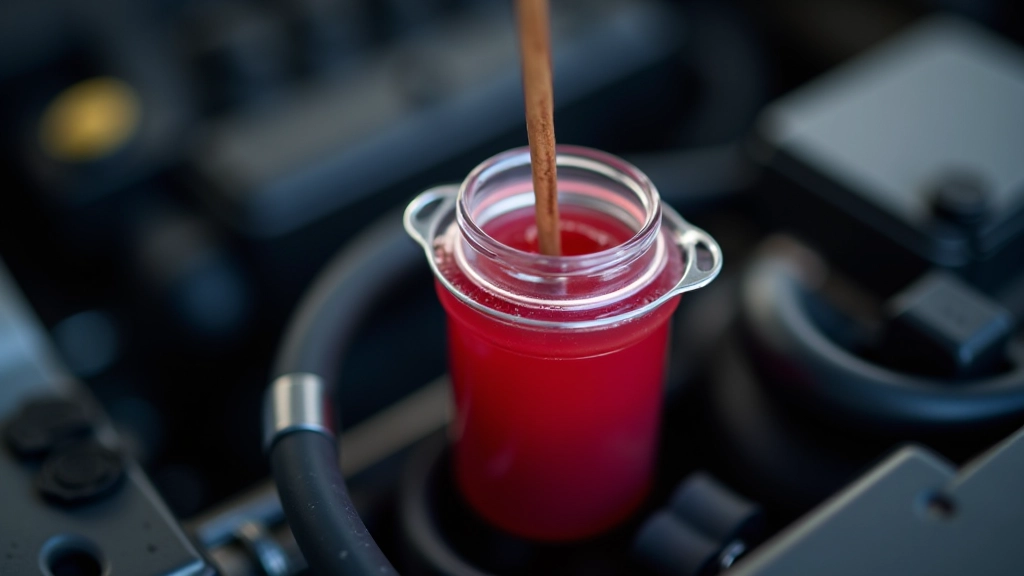
Complete breakdown of the power steering fluid flush process. Why it matters, how long it takes, and what you'll notice afterward.

A practical maintenance timeline to keep your power steering system healthy. Simple checks you can do yourself.
While seals do eventually wear out, you can extend their life significantly with proper maintenance. It's honestly the best investment you can make to avoid unexpected repairs.
Keep Your Fluid Fresh: Old fluid breaks down and becomes more acidic. This accelerates seal degradation. A fluid flush every 50,000 to 100,000 miles (depending on your vehicle) keeps seals happy and extends their working life significantly.
Check your fluid level monthly. Low fluid forces the pump to work harder, which generates heat and speeds up seal wear. It's a simple habit that pays dividends. When you do check, look at the fluid color too — dark or burnt-smelling fluid means it's time for a flush.
Avoid Extreme Steering: Holding the steering wheel at full lock (all the way left or right) for extended periods creates maximum pressure in the pump. This stresses the seals significantly. When parking, don't crank the wheel all the way — go just far enough to clear the space.
Listen to your pump. If you hear that whining noise starting, don't ignore it. Address it immediately. Small leaks are cheap to fix; complete seal failure that damages the pump internally costs a lot more. The whine is your early warning system — use it.

This article provides general information about power steering pump seals and replacement procedures. It's designed to help you understand the process and recognize warning signs. However, every vehicle is different, and repair procedures vary by make and model. Always consult your vehicle's service manual and work with a qualified technician for actual maintenance and repairs. If you notice any symptoms of seal failure, have your vehicle inspected by a professional before attempting any work.
Power steering pump seals aren't something most people think about until they fail. But understanding what they do, recognizing warning signs, and maintaining your system properly can keep you steering smoothly for years. Don't wait until you're wrestling with a stiff wheel to address seal issues. The small cost of preventive maintenance is nothing compared to dealing with a complete pump failure.
Your power steering system works hard every time you drive. Show it some respect by keeping the fluid clean, monitoring the system for leaks, and addressing problems early. It'll reward you with responsive, effortless steering and save you money in the long run.