
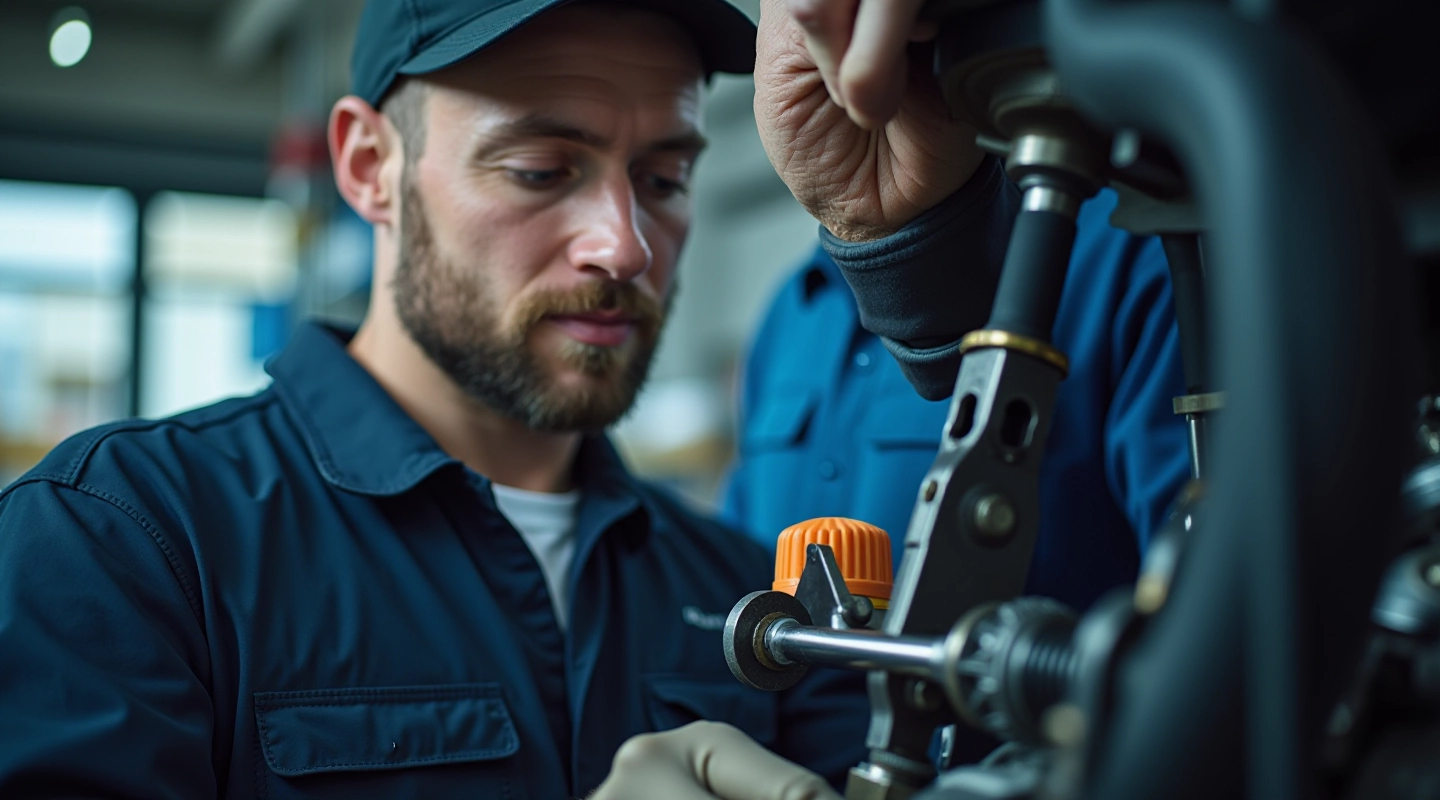
Signs Your Power Steering Pump Needs Attention
Learn the warning signs that indicate your power steering pump is failing. Whining noises, difficulty steering, and fluid leaks—catch them early.
Read MoreKeep your power steering system healthy with a practical maintenance timeline. Learn what to check yourself and when to visit a technician.

Your power steering system works hard every time you turn the wheel. It's easy to ignore until something goes wrong. But catching problems early saves money and keeps your driving safe. We're going to walk you through a simple maintenance schedule you can actually follow.
The good news? You don't need special tools or professional training to do most of these checks. Some tasks take five minutes. Others you'll want to hand off to a technician. Either way, staying on top of maintenance beats dealing with a failed steering system when you're stuck in traffic.
Once a month—say, when you're filling up gas—spend five minutes checking your power steering. You'll spot problems before they become expensive repairs.
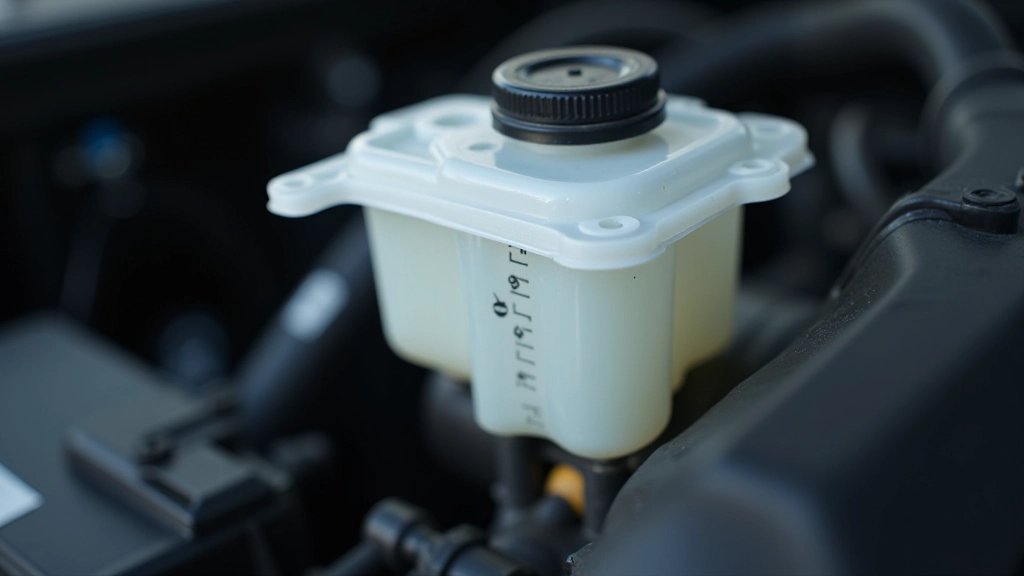
Pop your hood and locate the power steering reservoir. It's usually a translucent plastic container on the driver's side near the engine. The fluid should reach the "Full" mark when the engine is cold. Don't overfill it—that can cause leaks and pump damage.
Look for the color too. Fresh fluid is amber or light red. Dark brown or black? That's old fluid that needs changing. You'll also notice if the fluid smells burnt—that's a sign the pump is working too hard.
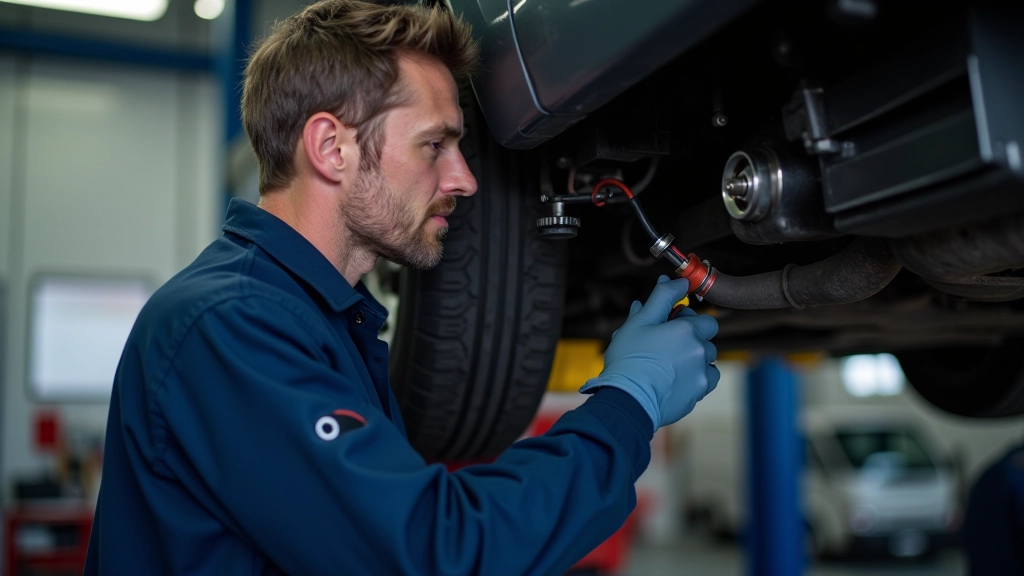
Every few months, do a more thorough inspection. You're looking for leaks, damaged hoses, and loose connections. These issues don't fix themselves—they get worse.
Don't ignore small leaks. A drop today becomes a flood next month. Catching it early means a simple seal replacement instead of a full pump replacement.
Learn the warning signs that indicate your power steering pump is failing. Whining noises, difficulty steering, and fluid leaks—catch them early.
Read More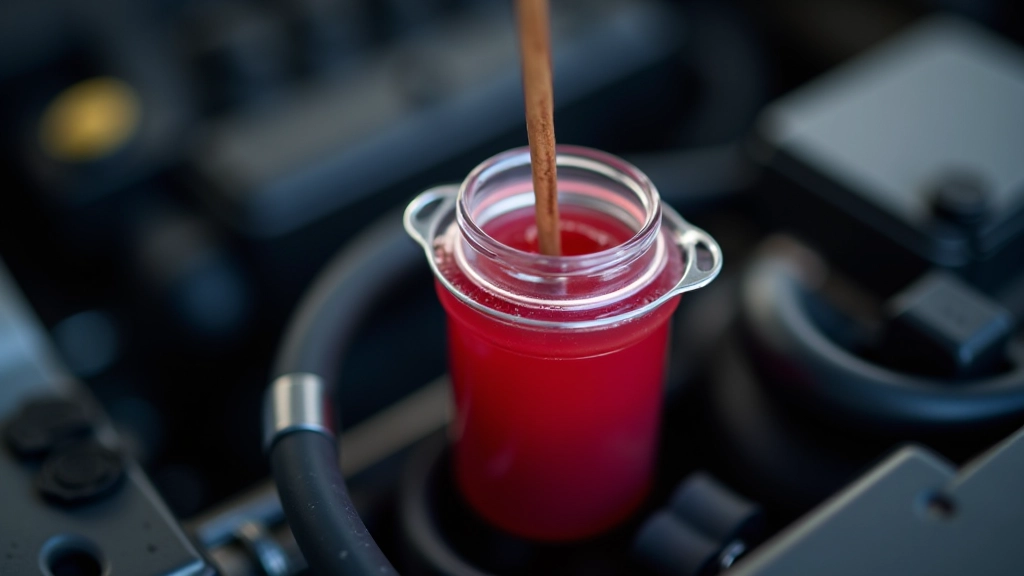
Complete breakdown of the power steering fluid flush process. Why it matters, how often you'll need it, and what happens during the service.
Read More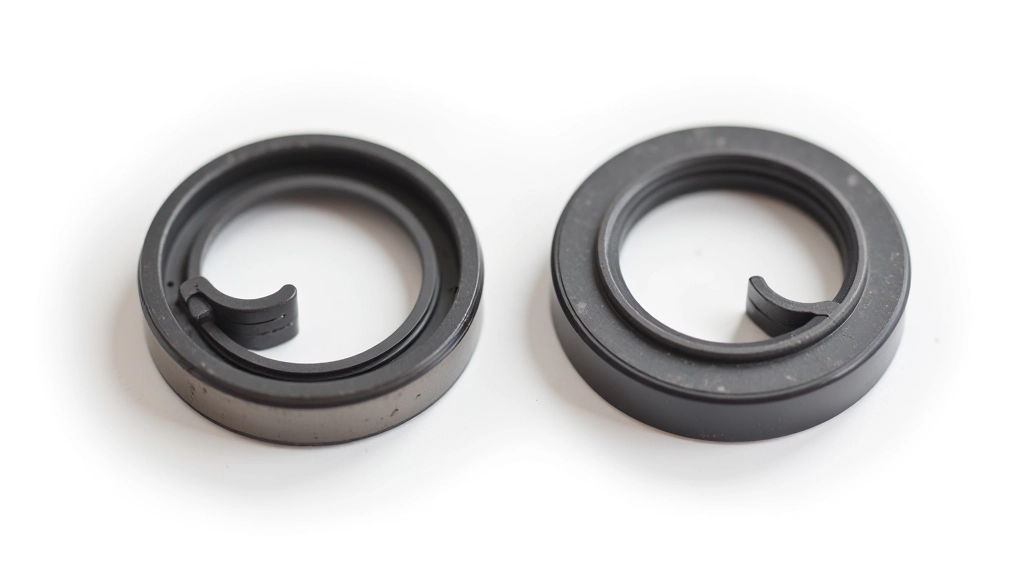
Understanding power steering pump seals. Symptoms of seal failure, replacement costs, and how to know if you need this service.
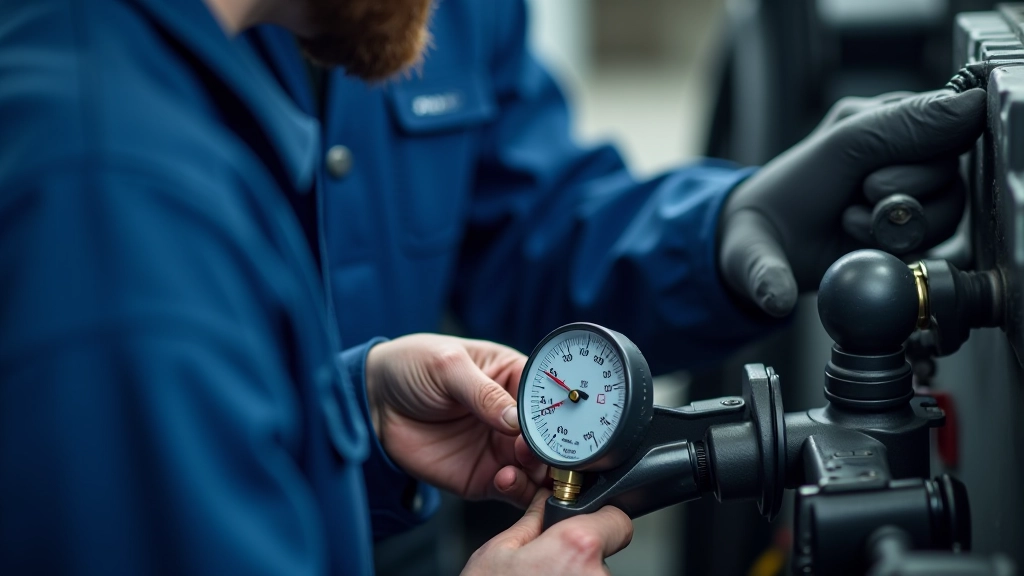
Read MoreOnce a year—ideally during your regular vehicle service—take your car to a technician for a complete power steering check. They've got diagnostic tools and experience you won't have at home. They'll test pump pressure, check for internal leaks, and inspect everything you can't see.
A professional inspection takes 30-45 minutes. They'll pressure-test the pump, check hose integrity with specialized equipment, and examine the rack and pinion. They'll also sample your fluid to see if it's breaking down. That data tells you when a flush is actually needed—not just a guess based on mileage.
This costs between 60-120 depending on your location and shop. It's money well spent. A technician catches problems at stage one instead of stage three.
Have the system checked. Fluid should still look good, but you're establishing a baseline.
Get your fluid tested. This tells you if you're good for another 30K or if a flush is needed now.
Most vehicles need a flush around this point. Your technician can confirm based on fluid condition.
After the first flush, plan for another every 30-40K miles depending on your vehicle and driving.

Editorial Team
Written by the novaovex editorial team, focused on clear, practical guidance for power steering pump care and repair.
This guide provides general educational information about power steering system maintenance. It's not a substitute for professional mechanical advice. Vehicle systems vary by make and model. Always consult your owner's manual for manufacturer-specific recommendations and service intervals. If you're uncomfortable performing any inspection yourself, have a qualified technician handle it. Improper maintenance can affect your vehicle's safety and performance.
You don't need to be a mechanic to take care of your power steering. Monthly fluid checks, seasonal visual inspections, and annual professional service—that's the whole system. It's straightforward. It's affordable. And it keeps you from getting stuck with a $1000+ pump replacement when a $200 service would've prevented it.
Start with this month. Check your fluid level. Write the date in your calendar or set a phone reminder. Then just stick to the schedule. Your steering system will thank you.