
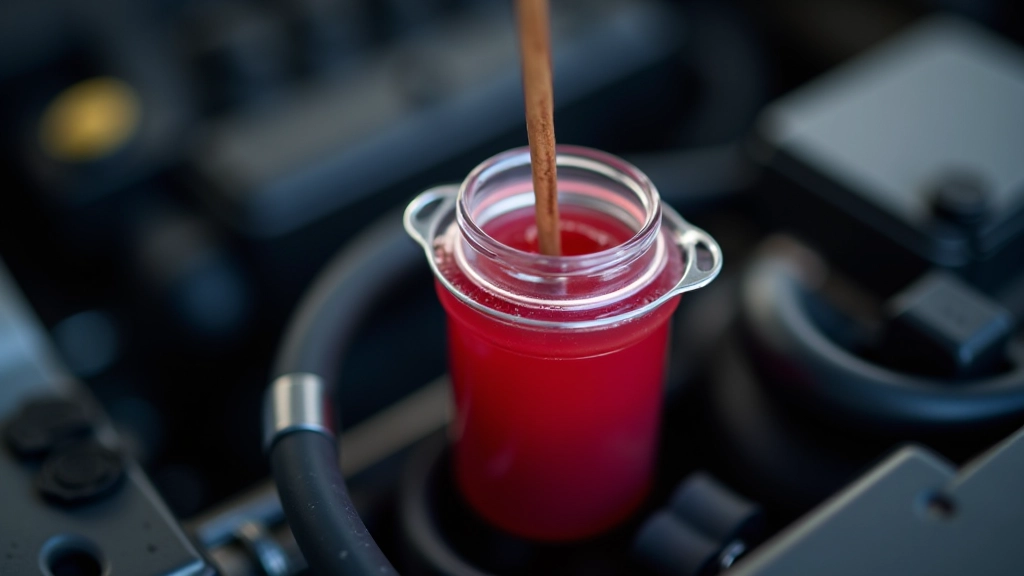
Fluid Flush Service: What to Expect
Complete breakdown of the power steering fluid flush process. Why it matters, how long it takes, and what you'll notice afterward.
Learn to recognize the warning signs before your power steering system fails completely
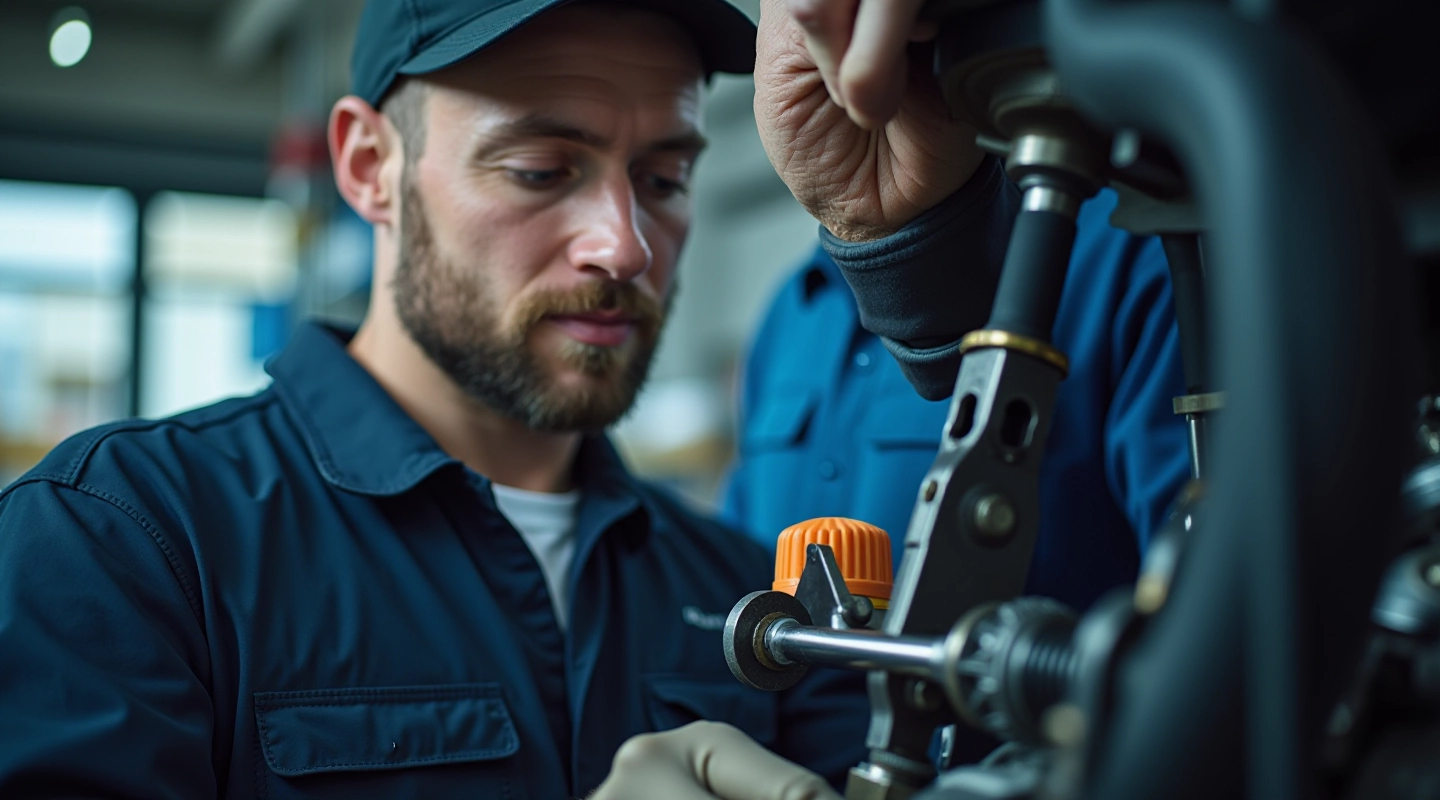
Your power steering pump works quietly in the background, making every turn feel effortless. It pressurizes hydraulic fluid to assist your steering, so you're not wrestling with a heavy wheel every time you park or navigate a corner. But when something goes wrong, you'll know it. The problem is, most drivers don't realize what they're hearing or feeling until it's too late.
We're here to change that. Catching pump problems early can save you hundreds of dollars and prevent dangerous situations on the road. Here's what you need to watch for.
A high-pitched whine that changes with engine speed often means the pump is struggling
If your wheel suddenly feels harder to turn, fluid pressure is dropping fast
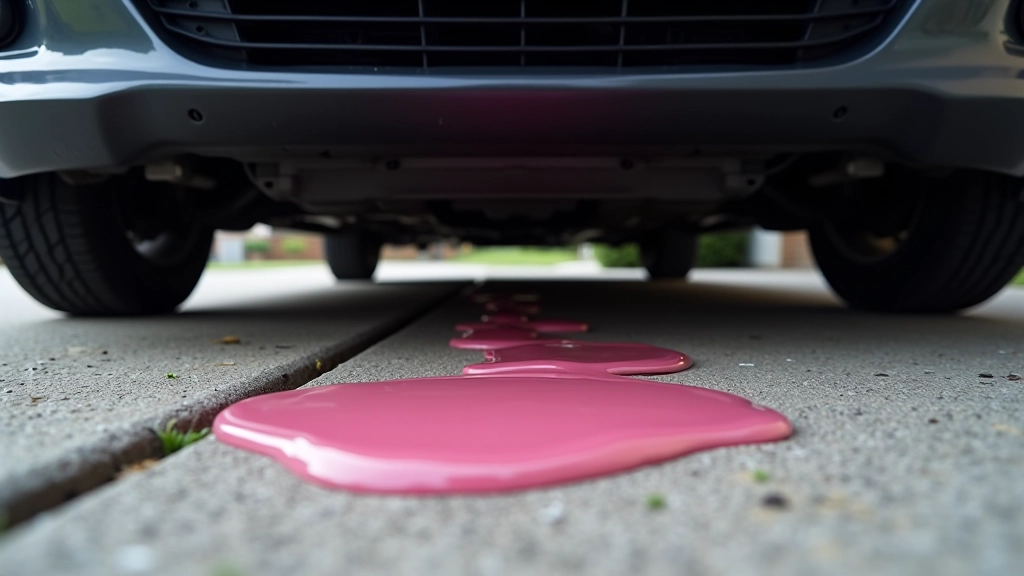
Pink or red puddles under your car signal a serious hydraulic system problem

Editorial Team
Written by the novaovex editorial team, focused on clear, practical guidance for power steering pump care and repair.
Let's start with the most obvious sign. A whining noise coming from your engine bay is your pump crying for help. You'll usually hear it loudest when you're turning or during cold starts. It's a high-pitched sound that follows engine RPM — the faster the engine runs, the louder it gets.
This noise means the pump is losing its ability to move fluid smoothly. Inside, the internal components that create pressure are wearing down. The bearings might be shot, or the rotor is damaged. Don't ignore this. Most drivers wait weeks or months after hearing the whine, thinking it'll go away. It won't. It'll only get worse.
If you're hearing this sound, get the system checked soon. A simple fluid change or minor seal repair might fix it. Wait too long, and you're looking at a full pump replacement — that's 400 to 800 dollars depending on your vehicle.
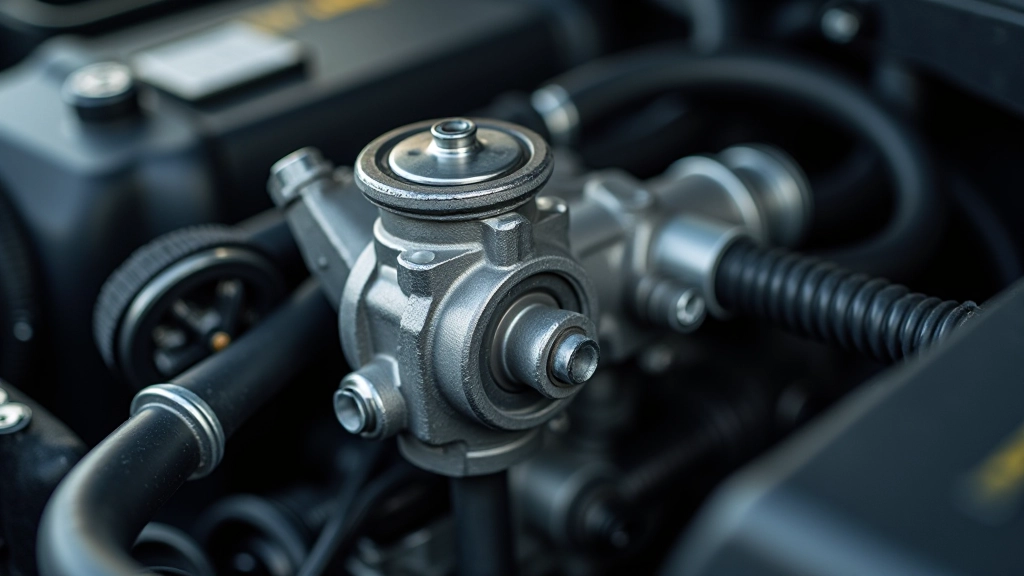

This is serious. If your wheel suddenly feels like it weighs a ton, your pump isn't delivering pressure to the steering rack anymore. You'll notice it most when parking — the wheel won't turn as smoothly, or you'll need serious muscle to move it.
There are a few reasons this happens. The fluid level might be low from a slow leak you haven't noticed. The pump itself could be failing and not creating enough pressure. Or a belt could be slipping, meaning the pump isn't spinning fast enough. Sometimes it's an air bubble trapped in the lines — that's fixable by bleeding the system. Other times, it's the pump dying.
Don't wait on this one. Stiff steering is a safety issue. You need proper control of your vehicle, especially in emergency situations. Get it diagnosed within a few days. The longer you drive with compromised steering, the more stress you're putting on the entire system.
Deepen your understanding of power steering maintenance and repair
Complete breakdown of the power steering fluid flush process. Why it matters, how long it takes, and what you'll notice afterward.
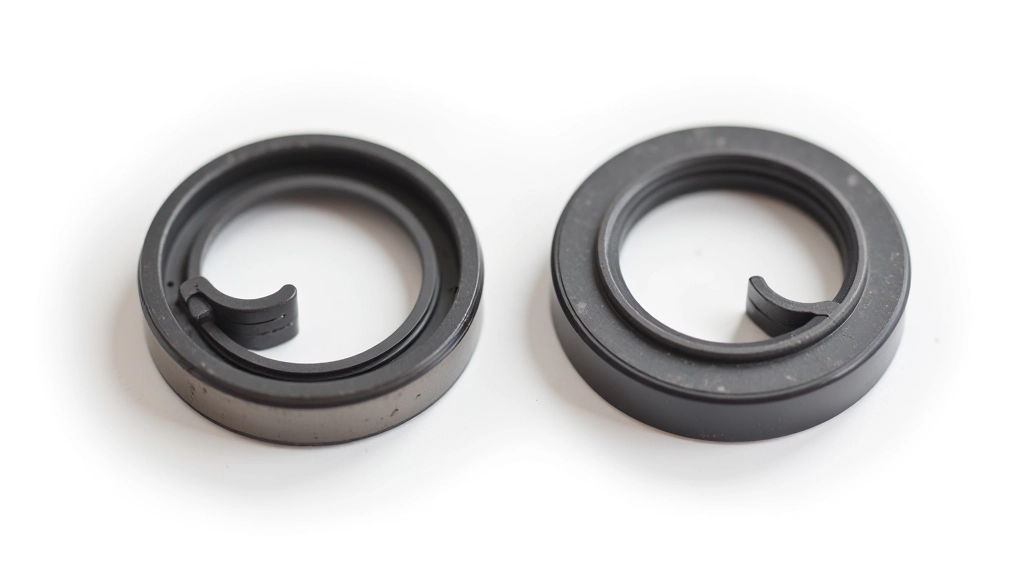
Understanding power steering pump seals. Symptoms of seal failure, replacement costs, and what happens if you ignore a leaking seal.

A practical maintenance timeline to keep your power steering system healthy. Simple checks you can do and service intervals to follow.
Power steering fluid is bright pink or red. If you're seeing puddles in your driveway or parking spot, that's your system leaking. This is a direct signal that something inside the pump or the connected lines is cracked or worn.
A small leak might seem harmless at first — maybe just a few drops. But it's not. As fluid level drops, the pump works harder to maintain pressure. The system gets air in it, which creates pockets where fluid should be. Your steering becomes erratic. You might notice it pulling to one side or feeling spongy.
More importantly, a leaking system can damage the pump's internal seals faster. What starts as a minor seal leak becomes a catastrophic pump failure within weeks if you don't address it. The fix is usually a seal replacement or hose replacement — both are much cheaper than replacing the entire pump.

Pump failure doesn't happen overnight. It's usually a combination of things. Low fluid level is the biggest culprit — if the pump can't pull enough fluid from the reservoir, it cavitates, which means it sucks air instead of liquid. That creates metal-on-metal friction inside, and parts start wearing out fast.
Old fluid is another issue. Power steering fluid degrades over time. It gets thicker, loses its lubricating properties, and allows internal components to grind against each other. If you haven't flushed your fluid in 5 to 10 years, the pump is working with essentially sludge. A fluid flush can actually extend your pump's life significantly.
Contamination matters too. Dirt and moisture getting into the system cause corrosion and wear. A clogged filter accelerates all of this. The pump has to work harder, gets hotter, and fails faster. It's a cascade effect.
This guide is educational in nature and provides general information about power steering pump symptoms and maintenance. It's not a substitute for professional mechanical diagnosis. Power steering system problems vary widely by vehicle make, model, and age. If you're experiencing any of the signs described here, we strongly recommend having your vehicle inspected by a qualified mechanic who can properly diagnose the issue and recommend the best solution for your specific situation. Attempting repairs without proper training or tools could result in further damage or safety issues.
If you're hearing whining sounds, experiencing stiff steering, or seeing fluid leaks, don't wait. Schedule an inspection with a trusted mechanic. Most diagnosis appointments are quick and inexpensive — usually 50 to 100 dollars. It's worth the investment to catch a problem early.
In the meantime, check your power steering fluid level when the engine is cold. If it's low, top it off. Monitor your steering feel closely. Any change — stiffness, unusual sounds, or unusual responsiveness — is worth investigating.
Regular maintenance is your best defense. Flush your fluid every 5 to 10 years depending on your vehicle. Keep an eye on hoses for cracks or leaks. Replace worn serpentine belts before they fail. These simple steps can add years to your pump's life and keep your steering responsive and safe.
Need professional help with your power steering system?
Contact Our Team