
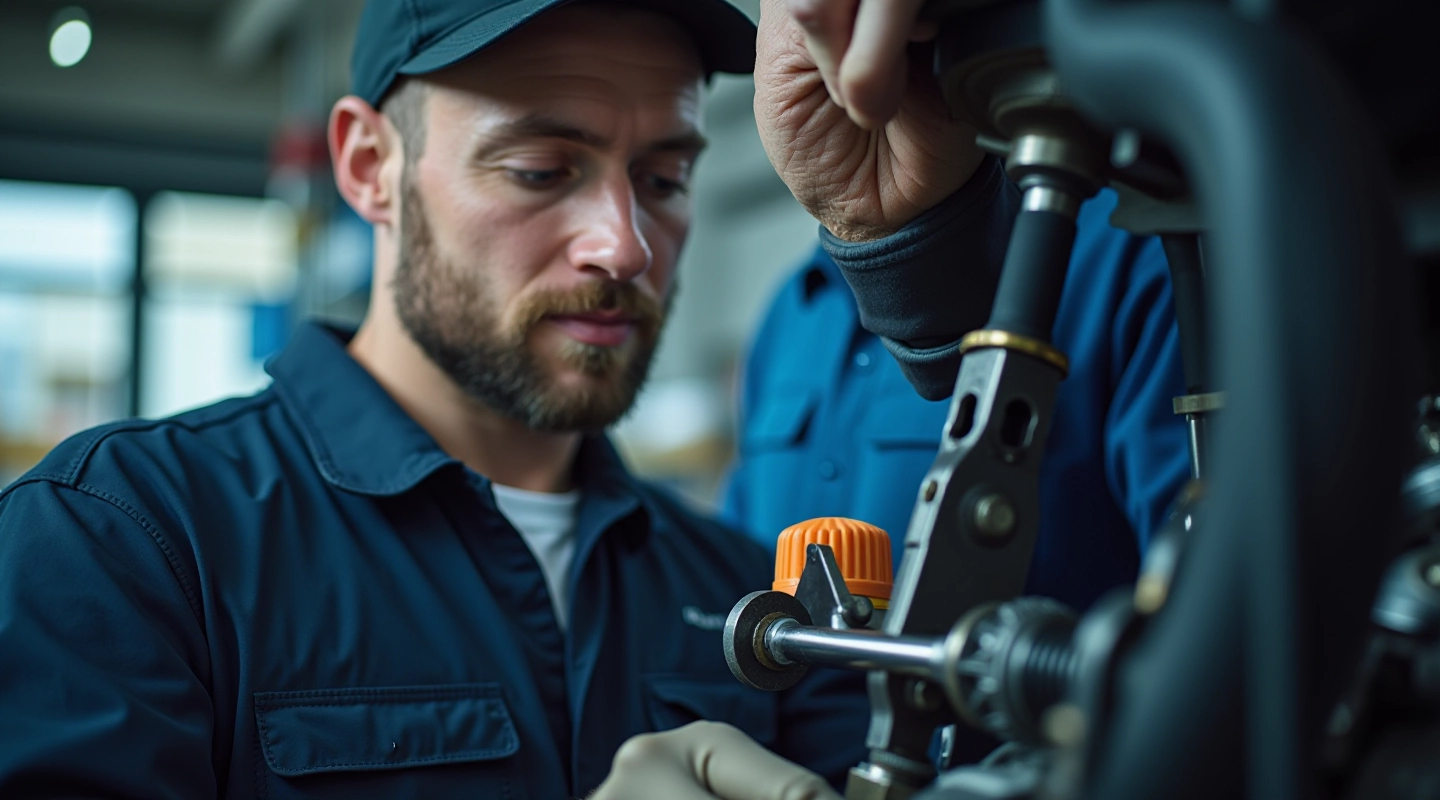
Signs Your Power Steering Pump Needs Attention
Learn the warning signs that indicate your power steering pump is failing. Whining noises, heavy steering, and fluid leaks explained.
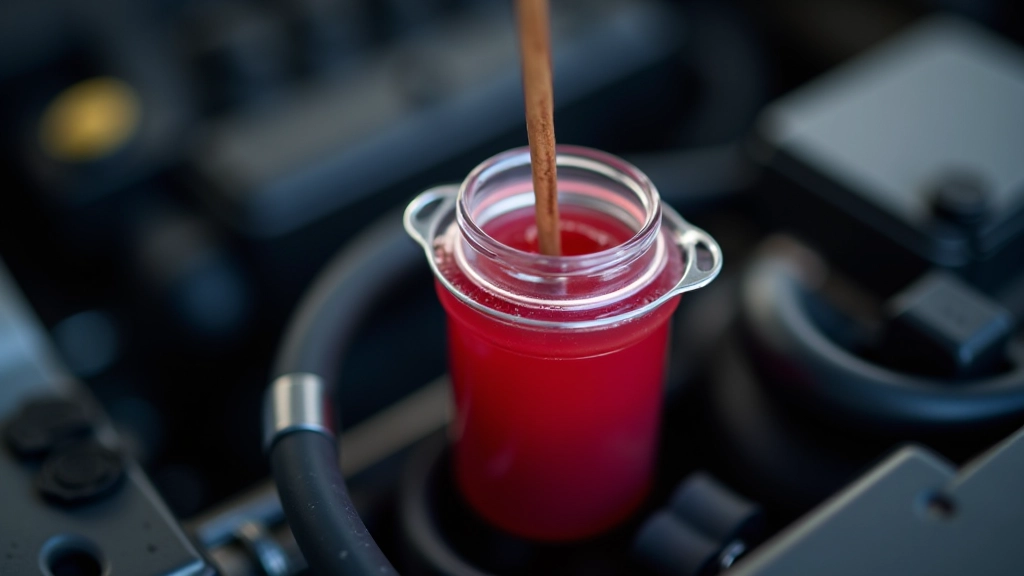
Power steering fluid isn't something most people think about until there's a problem. But here's the thing — your fluid is constantly working to keep your steering smooth and responsive. Over time, it breaks down, collects contaminants, and loses its ability to protect your pump and seals. That's where a fluid flush comes in. It's a straightforward maintenance service that keeps everything running properly and prevents expensive repairs down the road.
We're going to walk you through exactly what happens during a fluid flush, why it matters for your vehicle, and what you should expect when you bring your car in for service.
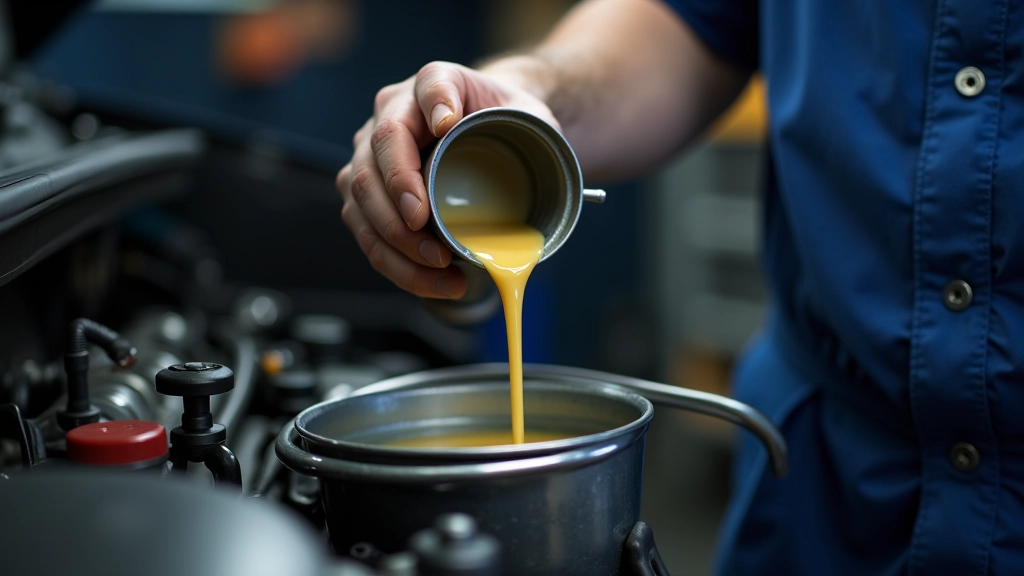
A power steering fluid flush isn't complicated, but it's thorough. The process starts with your vehicle up on a lift so the technician can access the power steering reservoir and lines. They'll drain out the old fluid — and we mean all of it — which has turned darker over time and picked up particles and debris.
Next, fresh fluid gets added back into the system. But they don't just pour it in and call it done. The steering system needs to be cycled — turning the wheel lock to lock several times — to push out any remaining old fluid hiding in the lines and the pump itself. This circulation ensures the new fluid reaches every component.
This includes draining old fluid, filling with new fluid, cycling the system to purge trapped contamination, and checking that everything operates smoothly.

Editorial Team
Written by the novaovex editorial team, focused on clear, practical guidance for power steering pump care and repair.

Your power steering fluid isn't static. It's under constant pressure and heat as it moves through the pump, hoses, and steering gear. This environment causes the fluid to break down over time — its viscosity changes, additives deplete, and particles from normal wear accumulate.
Contaminated fluid can't protect your pump seals as effectively. Particles create friction. The fluid loses its ability to transfer pressure smoothly. You might notice your steering feeling heavier, or you'll hear noise from the pump. That's your system telling you the fluid's no longer doing its job.
Most manufacturers recommend a fluid flush every 2 years or 50,000 miles — whichever comes first. Some vehicles can go longer, but regular flushing prevents seal degradation and extends pump life significantly.
Learn the warning signs that indicate your power steering pump is failing. Whining noises, heavy steering, and fluid leaks explained.
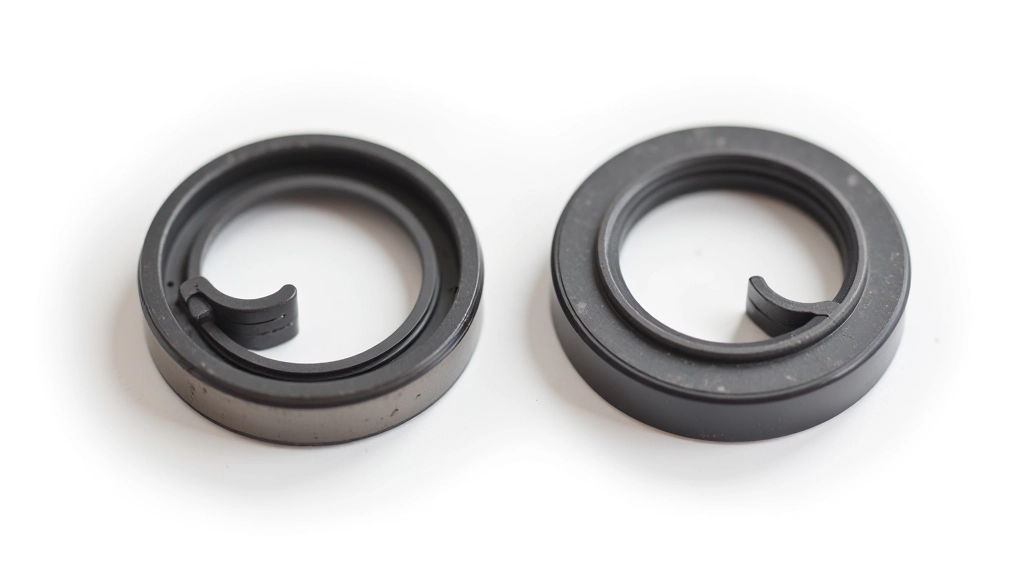
Understanding power steering pump seals. Symptoms of seal failure, replacement costs, and why preventive care matters.

A practical maintenance timeline to keep your power steering system healthy. Simple checks and service intervals.
This article is provided for informational and educational purposes only. The information contained here is based on general automotive knowledge and common practices. Specific vehicle maintenance requirements, fluid types, and service intervals vary by manufacturer and model year. Always consult your vehicle's owner's manual for exact maintenance schedules and fluid specifications. If you're experiencing steering problems or fluid leaks, we recommend having your vehicle inspected by a qualified mechanic or technician who can assess your specific situation. This guide is not a substitute for professional automotive service or advice.
While maintenance schedules are helpful, your vehicle sometimes tells you it needs service before the scheduled interval. If you notice your steering feeling heavier than normal, especially when turning at low speeds, that's a sign the fluid's degraded. Strange noises from the pump — whining or grinding sounds — indicate contamination or internal wear.
Any visible fluid leak around the pump area or under your vehicle means you've lost fluid, and whatever remains is being exposed to more contaminants. Don't wait. Getting a flush done promptly prevents further damage to seals and the pump itself. The cost of a flush is minor compared to replacing a seized pump.
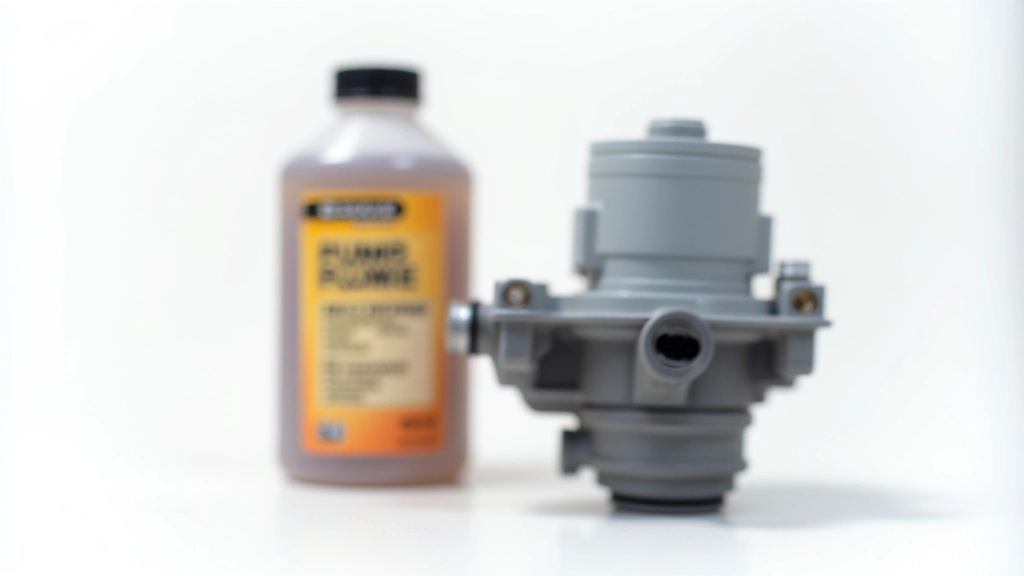
Not all power steering fluids are the same. Your vehicle needs the specific type recommended by the manufacturer — whether that's ATF (automatic transmission fluid), Dexron, Mercon, or a synthetic blend designed for modern systems. Using the wrong fluid can damage seals and cause the pump to work harder than it should.
Quality matters here. We use fluid that meets OEM specifications and provides superior lubrication and protection. It's formulated to resist breakdown at high temperatures and maintain consistent viscosity under pressure. When you're getting a flush, ask your technician about the fluid grade they're using. It's worth knowing you've got quality fluid protecting your system.
A power steering fluid flush is straightforward maintenance that pays dividends. You'll notice smoother, more responsive steering. Your pump stays protected from contamination. Seals last longer. And you'll avoid the kind of problems that lead to expensive repairs.
If you're not sure when your last fluid flush was done, check your service records or have a technician inspect your fluid condition. It's an easy decision once you see how dark and contaminated old fluid becomes. Don't put this off — your steering system will thank you.
Ready to schedule a fluid flush or have questions about your power steering system?
Contact Us Today